Dental Bridges: Filling the Gap in Your Smile
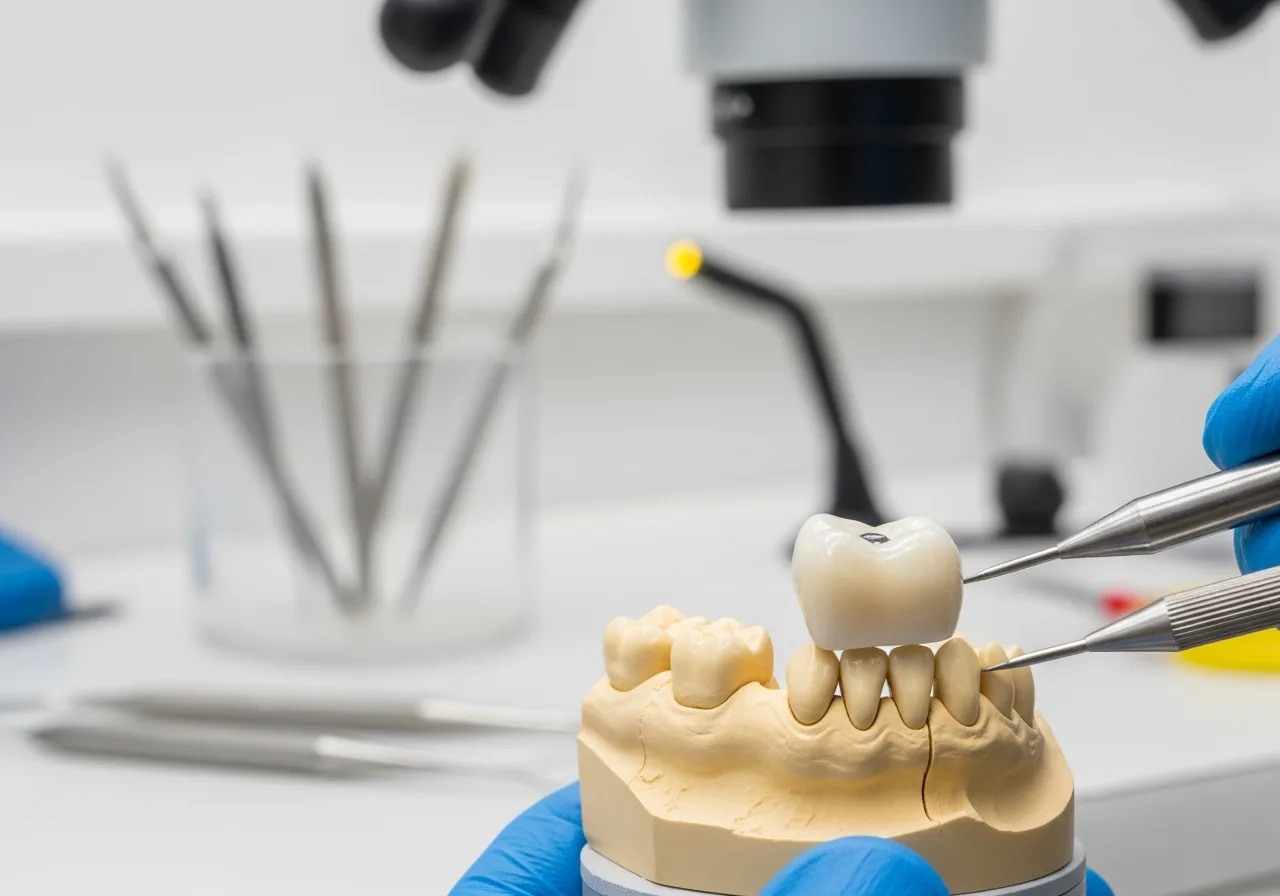
Learn how dental bridges can restore your smile by replacing missing teeth effectively.
A dental bridge literally bridges the gap created by one or more missing teeth. It's a time-tested solution for restoring both function and appearance.
How Bridges Work
A bridge consists of:
- Pontic(s): The artificial tooth or teeth
- Abutments: Crowns placed on teeth on either side of the gap
The abutment teeth anchor the bridge in place, holding the artificial teeth securely.
Types of Dental Bridges
Traditional Bridge
Most common type. Uses crowns on adjacent teeth for support.
Cantilever Bridge
Used when teeth are on only one side of the gap.
Maryland Bridge
Uses metal or porcelain framework bonded to adjacent teeth.
Implant-Supported Bridge
Anchored by dental implants instead of natural teeth.
Benefits of Bridges
- Restore your smile and appearance
- Maintain face shape
- Properly distribute bite forces
- Prevent remaining teeth from shifting
- Restore ability to chew and speak
The Process
Getting a bridge typically requires two visits:
- Prepare abutment teeth and take impressions
- Place the permanent bridge and make adjustments
Caring for Your Bridge
With proper care, bridges can last 10-15 years or longer. Brush and floss daily, paying special attention to the area under the pontic.
Your next step
Questions about what’s right for you?
Bring your questions to Smiles of Moorpark. We’ll help you understand your options and plan care around your needs.